Shows · All in One
All in One
Opened 1955
47 performances
Musical, Golden Age
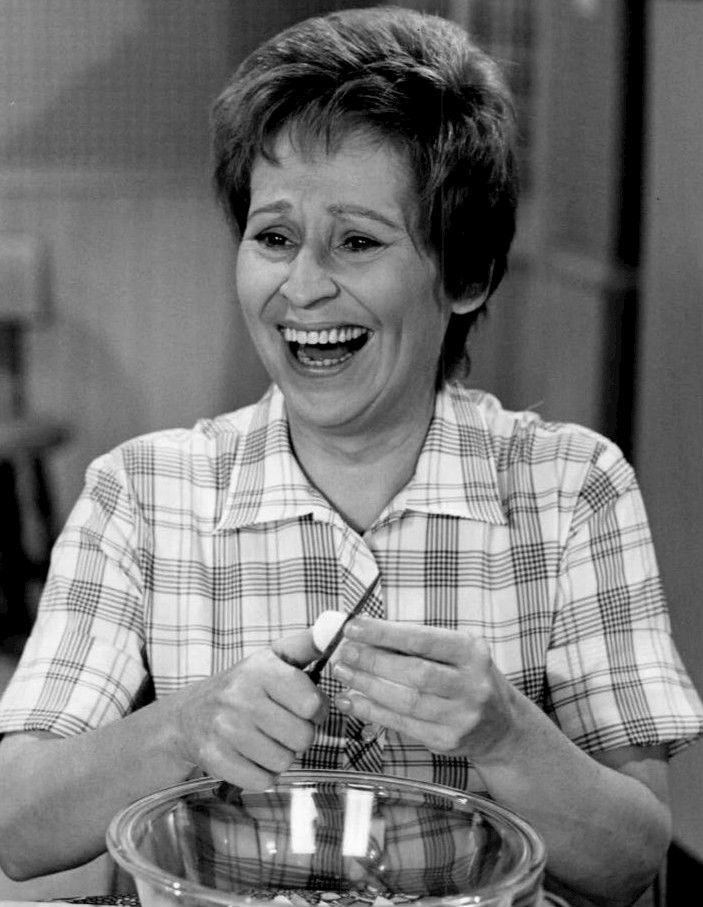
Libretto and Music: Leonard Bernstein Direction: David Brooks Cast: Alice Ghostley (Dinah), John Tyers (Sam); Trio: Kathy Farrell, John Taliaferro, James Tushar; Musicians: Joseph D. Lewis (Piano), Urey Krasnopolsky (Piano), Joe Harris (Drums), Leonard Gaskin (Bass) The opera was presented in one act. The first performance of Trouble in Tahiti was given on June 12, 1952, as part of Festival of the Creative Arts at Brandeis University; Nell Tangeman was Dinah, and David Atkinson was Sam. Two nights after the premiere, Marc Blitzstein’s adaptation of The Threepenny Opera was first staged, with David Brooks (Mac-heath) and Lotte Lenya (re-creating her role of Jennie from the original 1928 Berlin production), with Bernstein conducting. Brooks was the director of the current production of Trouble in Tahiti, which was being performed on Broadway for the first time. The satiric work looks at the empty, unhappy marriage of Dinah and Sam, two suburbanites who bicker over breakfast while throughout the opera a creamy, smooth-singing scat trio extols the virtues of the good life in the suburbs with its washing machines, colorful bathrooms, and copies of Life magazine. Sam storms off to the city, and finds relief at the gym where in his aria “There’s a Law about Men” he exultantly if bitterly ruminates on life’s “winners,” the guys who are always lucky and successful and never have to watch their weight. (The aria makes an interesting companion piece to Alan Jay Lerner and Kurt Weill’s “The Locker Room,” which was dropped during the tryout of 1948’s Love Life and depicts another unhappy husband who finds momentary escape from his depressing existence in the all-male environment of the locker room.) Dinah takes off for the city, too, to catch a movie and do some shopping. She sees a musical epic about the South Sea Islands called Trouble in Tahiti, and as she leaves the theatre she derides the movie’s “Technicolor twaddle” and its condescension to the audience. In her aria “What a Movie,” she describes the plot, characters, and songs in minute, obsessive detail, and despite her derisive attitude toward the movie it’s clear she’s fascinated by its fanciful plot, which is more attractive than her banal existence with Sam. The movie is about a South Seas Island girl who meets a downed Navy flyer (“six feet tall and each foot just incredible”), and Dinah starts humming and singing their love song “Island Magic.” But the romance is taboo and incurs the wrath of the angry island gods, and soon there’s a storm “like nothing on earth” (replete with tidal waves, siroccos, hurricanes, and an erupting volcano) and the witch doctors prepare to offer the pair as a sacrifice to assuage the outraged gods. But everything turns out OK because “the good old U.S. Navy” comes to the rescue and everyone goes into a “great” rhumba version of “Island Magic.” Later at home Sam and Dinah spend another boring evening together, and she suggests they go to the latest movie, something called Trouble in Tahiti. After the Broadway production, the opera was revived by the New York City Opera Company for three performances at City Center on April 6, 1958 (see entry), and in 1983 Bernstein’s opera A Quiet Place (with libretto by Stephen Wadsworth) looked at Sam (and Dinah in flashback because she has died in an automobile accident) and their children from the perspective of thirty years later. Unfortunately, the opera wasn’t particularly compelling and its only bright spots were the scat-singing trio and the flashback sequences, which incorporated much of the original Trouble in Tahiti. (The opera shouldn’t be confused with Julian Claman’s 1955 drama A Quiet Place, which starred Tyrone Power as an unhappily married musical comedy composer and which used Tahiti’s aria “A Quiet Place”; for more information about the drama, see appendix I, “Other Productions.”) Trouble in Tahiti was televised by NBC on November 16, 1952, with David Atkinson and Beverly Wolff; a 1973 British television production was recorded by Columbia (LP # KM-32597) and was later released on DVD by Kultur (# D-1328); and another television version, seen in 2001 on BBC, was also released on DVD (BBC/Opus Arts # OA-0838-D). Atkinson and Wolff recorded the score for MGM (LP # E-3646; later issued by Heliodor, # HS-25020), and a December 1998 production by the Manhattan School of Music Opera Theatre was released on CD by Newport Classic (# NPD-85641). With one or two exceptions, the 1955 production of Trouble in Tahiti received mostly favorable reviews. The critics generally liked Bernstein’s depiction of modern-day suburbia, and they all agreed Alice Ghostley gave a terrific performance as the unhappy Dinah. Robert Coleman in the Daily Mirror said the opera was “loaded with musical small-talk,” some of it “innocuous” and some of it “amusing”; but in taking it or leaving it, he said he’d leave it. Although Walter Kerr in the New York Herald Tribune found the opera “lugubrious,” he not
- Music
- Leonard Bernstein
- Book
- Jo Swerling and Abe Burrows
Productions1 on Broadway
Songs20 songs
Opening, Runyonland, Fugue for Tinhorns, Follow the Fold, The Oldest Established, I’ll Know, A Bushel and a Peck, Adelaide’s Lament, Guys and Dolls, Havana, If I Were a Bell, My Time of Day, I’ve Never Been in Love Before, Take Back Your Mink, More I Cannot Wish You, The Crap Game Dance, Luck, Be a Lady, Sue Me, Sit Down, You’re Rockin’ the Boat, Marry the Man Today
Something wrong here? Correct a field or report the problem. Every change is recorded in public under the contributor licence.