Shows · Follies Of 1907
Follies Of 1907
Opened 1907
70 performances
Revue, Early
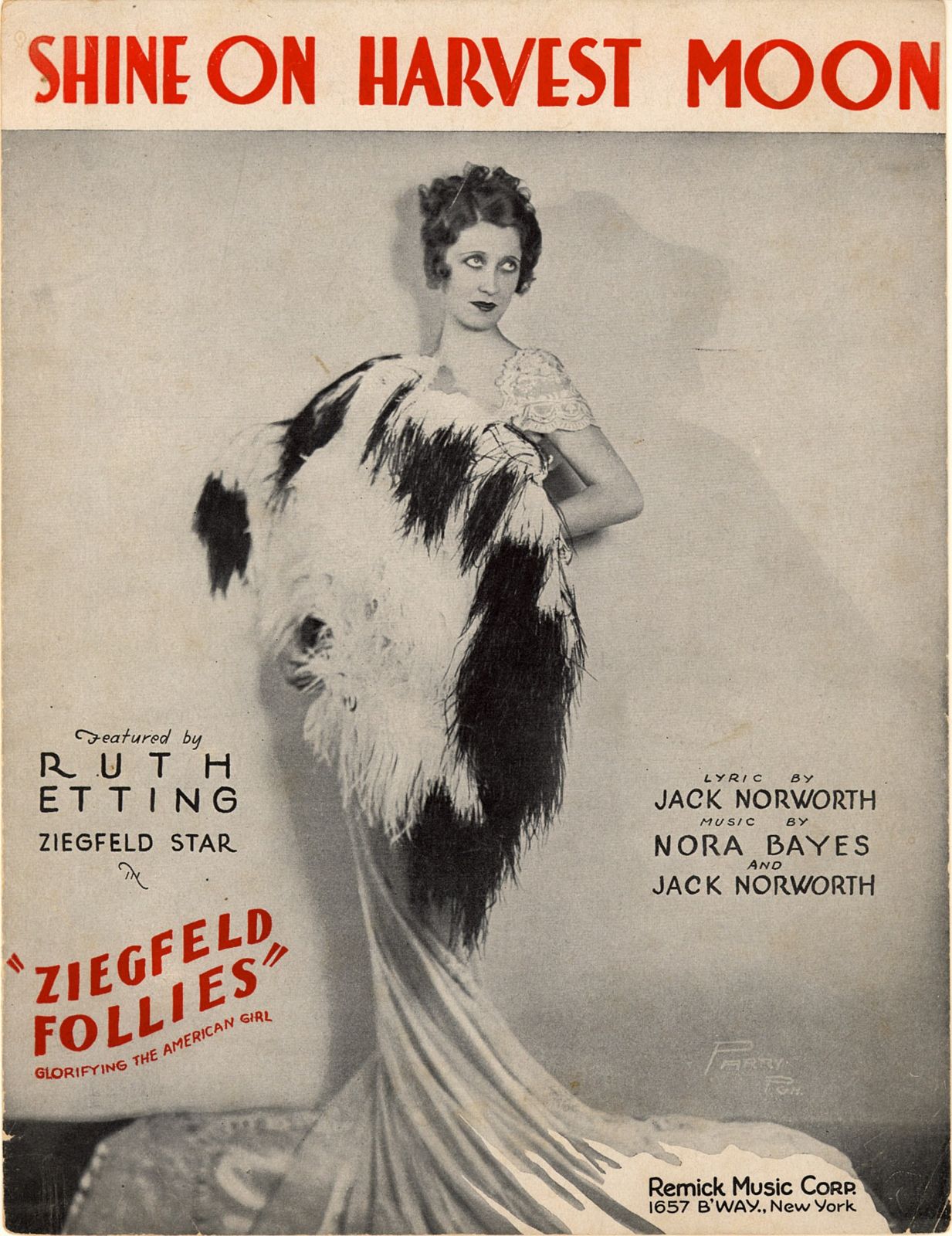
With the Follies of 1907, showman Florenz Ziegfeld inaugurated the most celebrated and durable series of annual revues in the history of the Broadway theatre. From 1907 to 1931, there were 21 such entertainments designated as Follies (actually, there should have been 22, but the 1926 edition, due to a legal hassle, was initially called No Foolin’, then Ziegfeld American Revue). The title of the first edition came about through the suggestions of sketch writer Harry B. Smith, who had written a newspaper column called “Follies of the Day,” and also because Ziegfeld, whose lucky number was 13, wanted the name to have 13 letters. It was not until 1911 that the impresario’s ego triumphed over his superstition and thenceforth the series was known as the Ziegfeld Follies. The idea for the series is credited to Ziegfeld’s wife, Anna Held, who suggested that the producer put together a show based on the French revue style of entertainment that took satirical pot-shots at society, the theatre, and politics. The hallmark of the Follies was opulent production numbers, decoratively erous amount of songs. The first edition, presented on the roof garden of the New York Theatre (then at 45th Street on the east side of Broadway), used the theme of introducing Pocahontas and Capt. John Smith to modern life. Along the way they were enlightened by scenes involving the likes of John D. Rockefeller, Anthony Comstock, Oscar Hammerstein, Teddy Roosevelt, and Enrico Caruso, plus a “Dance of the Seven Veils” takeoff and 64 “Anna Held Girls” beating snare drums while marching up and down the aisles. The total production cost was $13,000, and the top ticket price was $2.50. Known as “A National Institution Glorifying the American Girl,” the Ziegfeld Follies was itself glorified through the years by the presence of such notable performers as Fanny Brice, Bert Williams, Ann Pennington, W.C. Fields, Will Rogers, Ray Dooley, Lillian Lorraine, Leon Errol, Eddie Cantor, Nora Bayes, Van and Schenck, John Steel, Ed Wynn, Ina Claire, Marilyn Miller, Ruth Etting, and Eddie Dowling. The Follies may not have been the first Broadway revue — that was The Passing Show in 1894 – but it was the one that established the model for this type of entertainment, and which spawned such diversified rivals as George White’s Scandals (13 editions), the Messrs. Shubert’s Passing Shows (12 editions), the Earl Carroll Vanities (11 editions), the Greenwich Village Follies (8 editions), and Irving Berlin’s Music Box Revues (4 editions). There were also four productions of the Ziegfeld Follies – in 1934,1936, 1943, and 1957 – that were presented on Broadway after Ziegfeld’s death. For subsequent editions of the Follies see pages 20, 29, 31, 34, 38, 85, and 93.
- Music
- Various
- Lyrics
- Harry B. Smith
- Book
- Harry B. Smith
Productions1 on Broadway
Songs5 songs
Budweiser’s a Friend of Mine, I Think I Oughtn’t Auto any More, Handle Me With Care, Miss Ginger from Jamaica, Bye Bye, Dear Old Broadway
The Ziegfeld Follies were a series of elaborate theatrical revue productions on Broadway in New York City from 1907 to 1931, with revivals in 1934, 1936, 1943, and 1957. They became a radio program in 1932 and 1936 as The Ziegfeld Follies of the Air. Inspired by the Folies Bergère of Paris, the Ziegfeld Follies were conceived and mounted by Florenz Ziegfeld Jr. Many of the top comedians, singers and other entertainers in America appeared in the shows. They were also known for displaying beautiful chorus girls, commonly called Ziegfeld Girls, dressed in elaborate costumes. The biopic The Great Ziegfeld won the Oscar for Best Picture in 1937. A 1941 film, Ziegfeld Girl, starring Judy Garland,…
Something wrong here? Correct a field or report the problem. Every change is recorded in public under the contributor licence.