Shows · Grey Gardens
Grey Gardens
Opened 2006
307 performances
Musical, Modern

Act One takes place in 1941 at the Bouvier estate in East Hampton, where the glamorous Edith Bouvier Beale hosts an ill-fated engagement party for her daughter Little Edie, whose dreams of a life in New York are crushed by her domineering mother. Act Two jumps to 1973, where the now-elderly Big Edie and her middle-aged daughter live in squalor in the same crumbling mansion with dozens of cats, their co-dependent relationship a haunting echo of the choices made decades before.
- Music
- Scott Frankel
- Lyrics
- Michael Korie
- Book
- Doug Wright
Productions1 on Broadway
Recordings 3 recordings
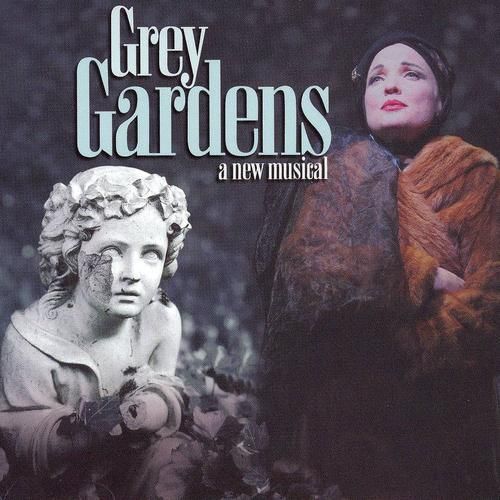
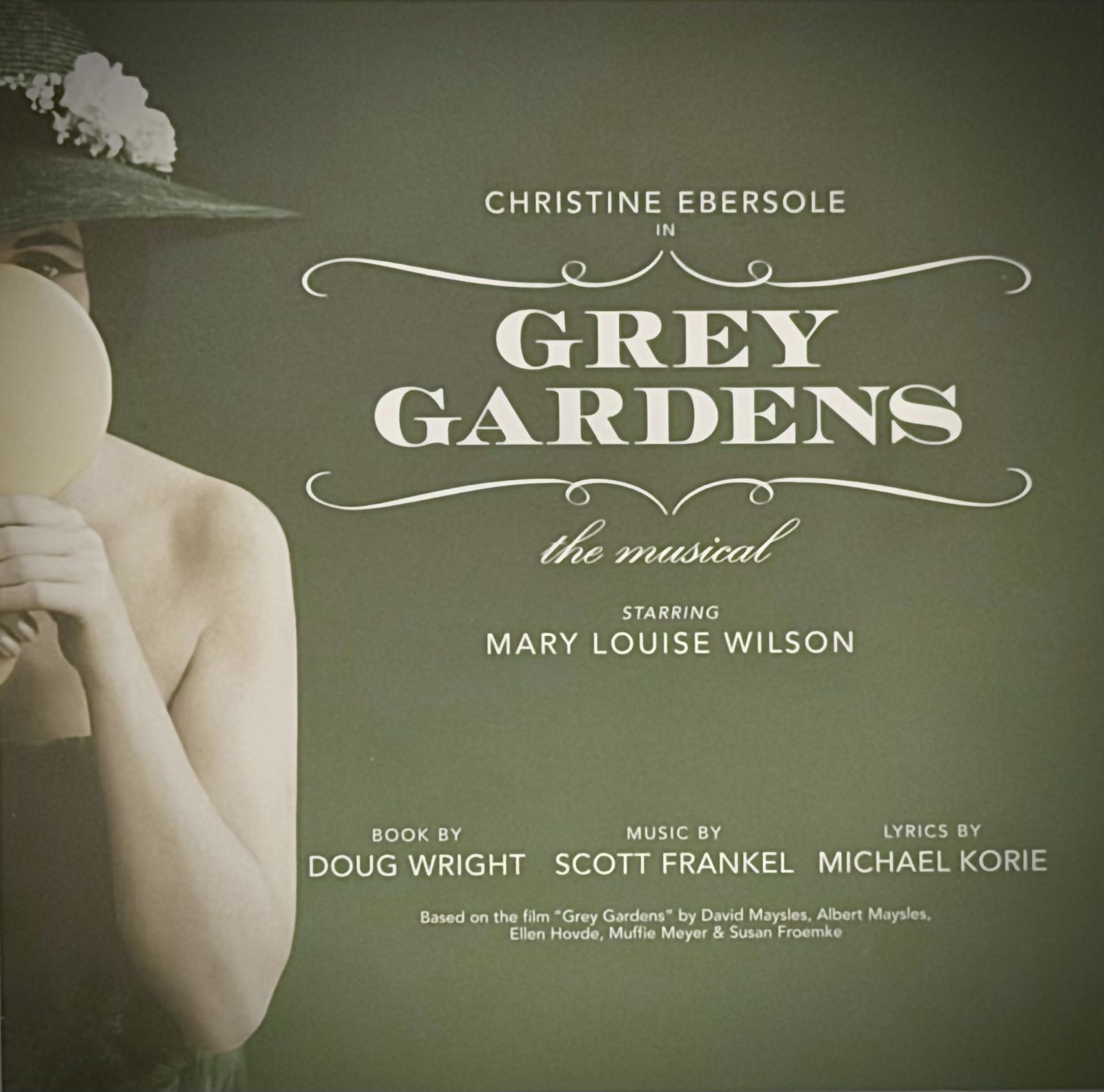
Licensing 1 entry
| US | Concord Theatricals Concord Theatricals | available |
Grey Gardens is a musical with book by Doug Wright, music by Scott Frankel, and lyrics by Michael Korie, produced in 2006 and based on the 1975 documentary of the same title about the lives of Edith Ewing Bouvier Beale ("Big Edie") and her daughter Edith Bouvier Beale ("Little Edie") by Albert and David Maysles. The Beales were Jacqueline Kennedy's aunt and cousin, respectively. Set at Grey Gardens, the Bouviers' mansion in East Hampton, New York, the musical tracks the progression of the two women's lives from their original status as rich and socially polished aristocrats to their eventual largely isolated existence in a home overrun by cats and cited for repeated health code violations. H…
“In this first act of the past, he immediately grasped an opportunity to forge the myth, originate dialogue and situations based on the truth—but not cinema verité—and a chance to stylize the past in the manner of a Philip Barry drawing room.”
B007l4owcu Ebok Peter Filichia, p. 315“Hominy Grits” was a takeoff on the type of song that erstwhile white songwriters wrote in a southern black style. “Two Peas in a Pod” was a list song that incorporated period references (“Like Crosby and Hope; a rosy complexion and Ivory Soap.”) They also made room for an Irving Berlin–like ditty, “Will You?” in which…
B007l4owcu Ebok Peter Filichia, p. 316Something wrong here? Correct a field or report the problem. Every change is recorded in public under the contributor licence.