Shows · Kiss Me, Kate
Kiss Me, Kate
Opened 1948
1,077 performances
Musical, Golden Age
Tony Award for Best Musical, 1949
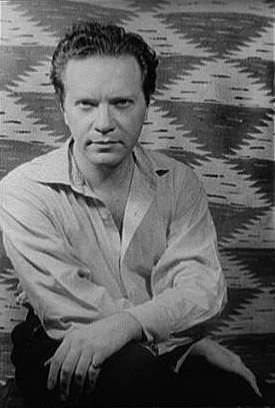
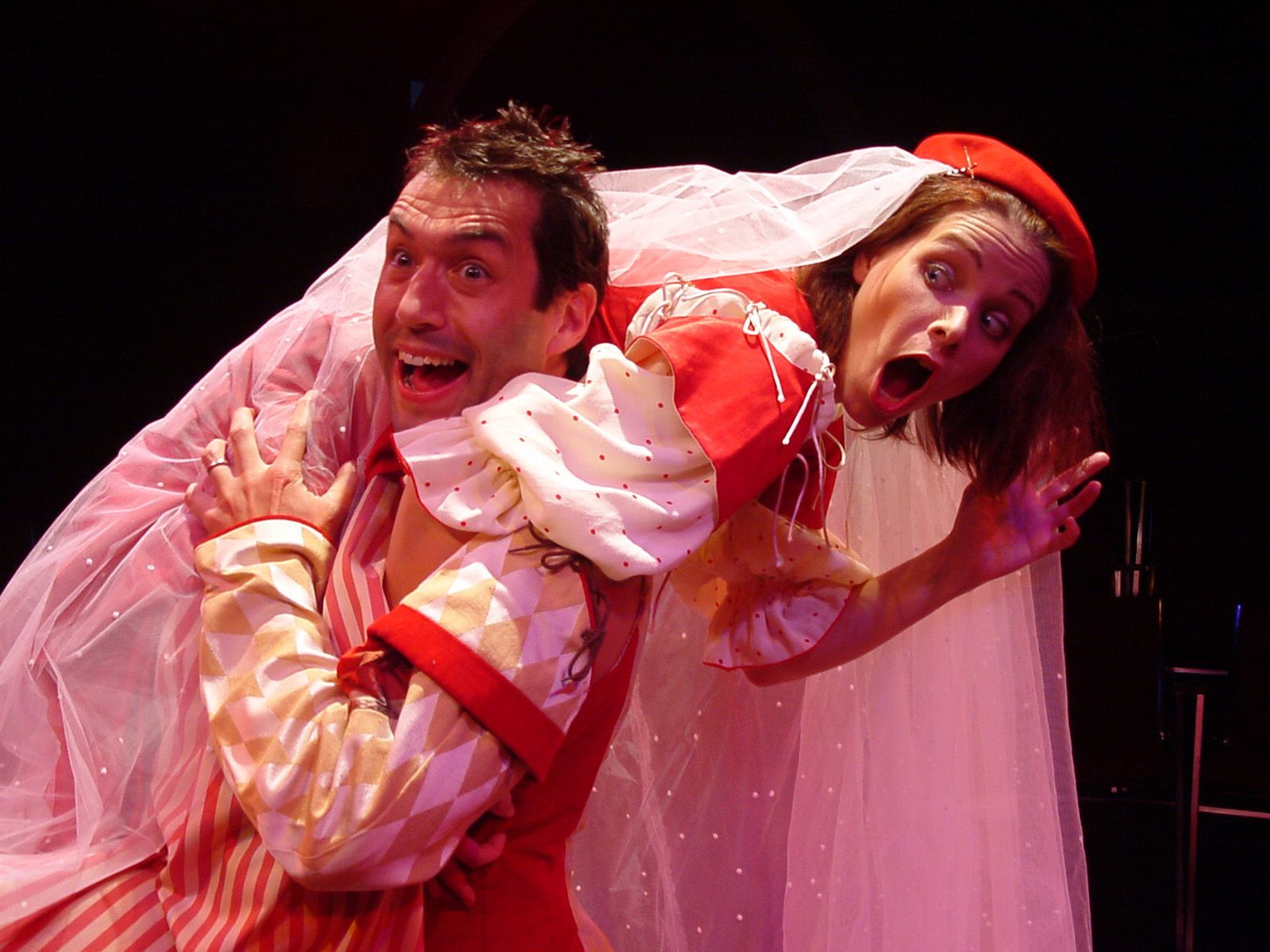
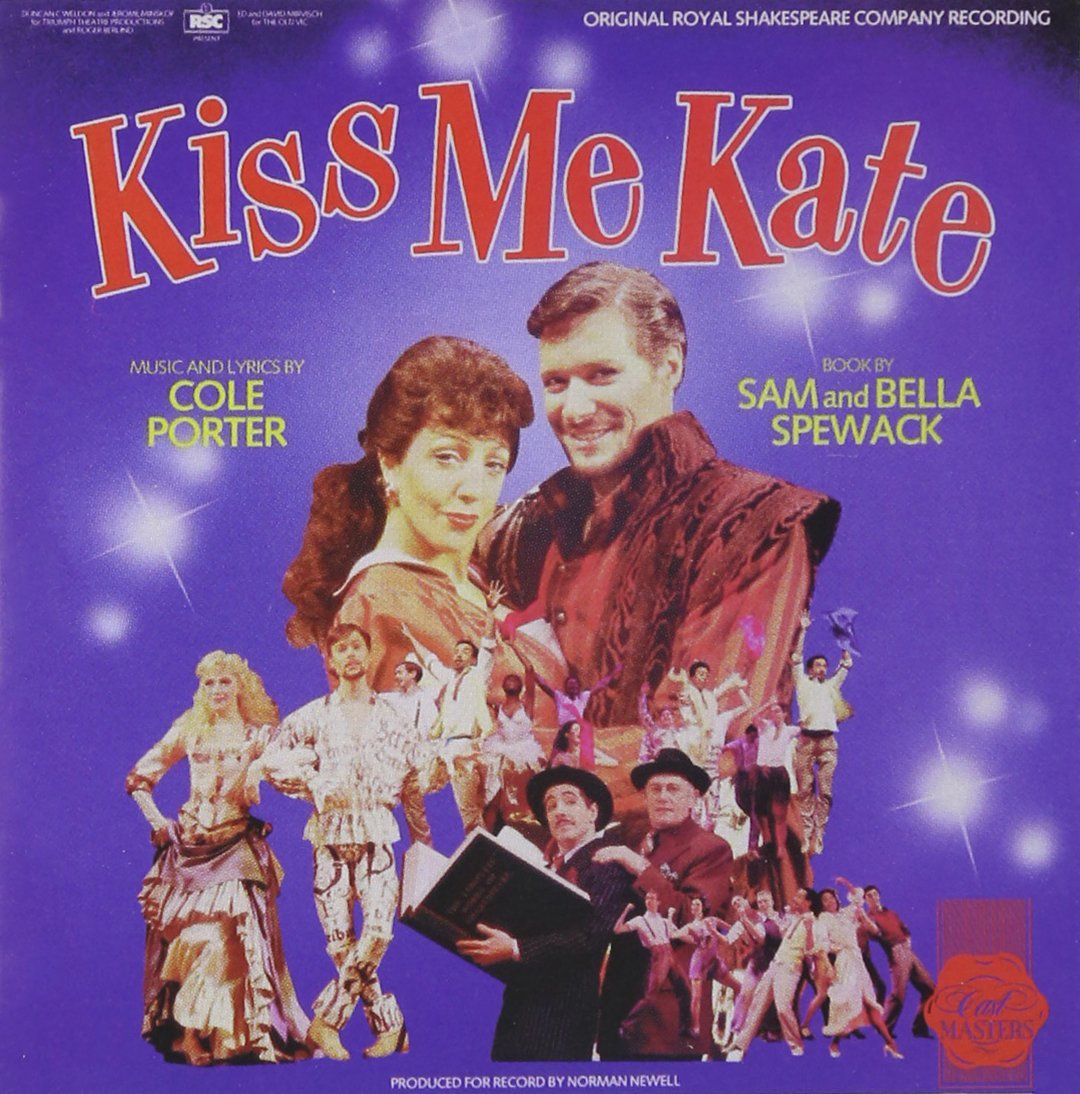
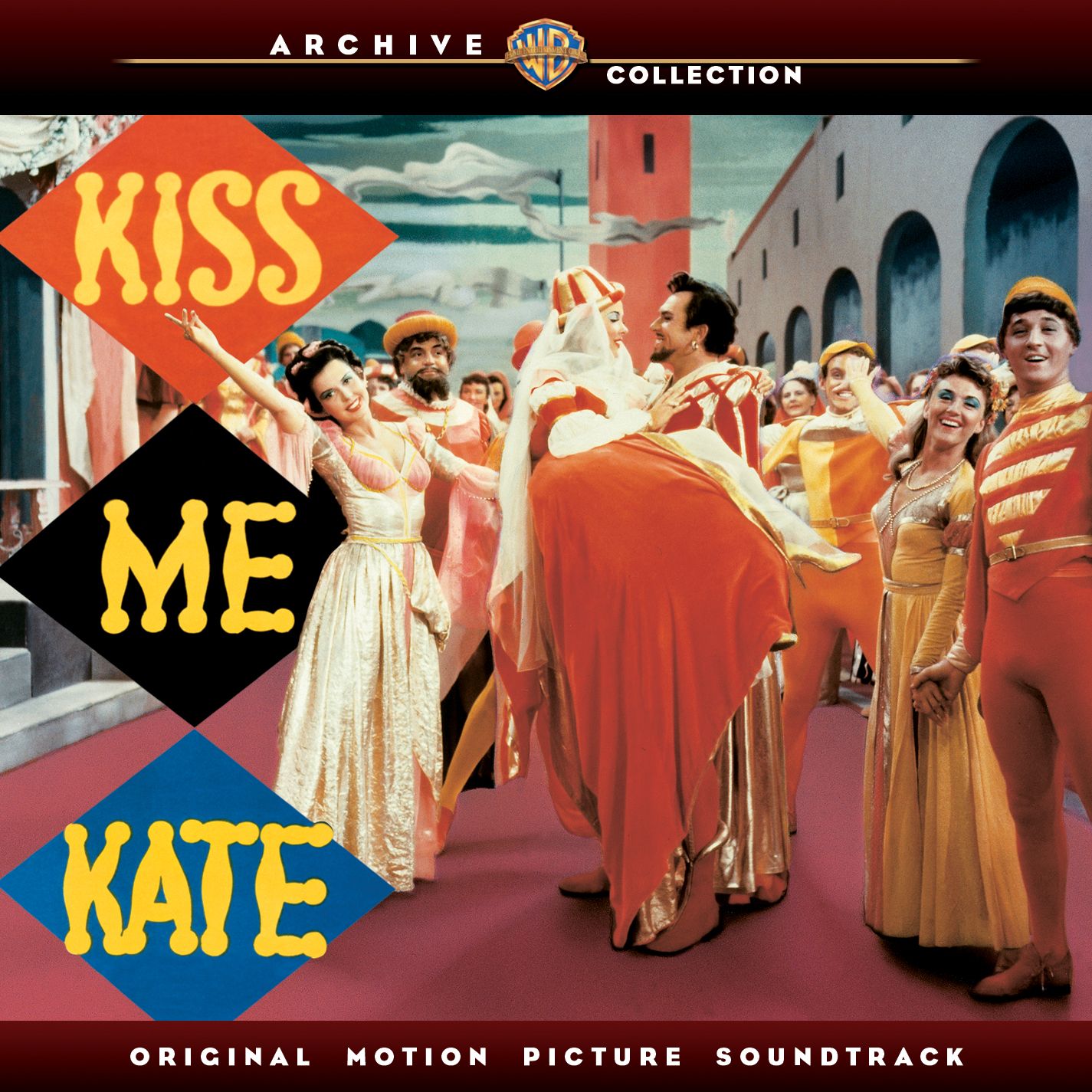
After having collaborated ten years earlier on Leave It to Me!, Cole Porter and the husband-wife team of Samuel and Bella Spewack were reunited for Kiss Me, Kate, the composer’s biggest hit and the fourth longest running musical of the Forties. The idea for the show began germinating in 1935 when producer Saint Subber, then a stagehand for the Theatre Guild’s production of The Taming of the Shrew, became aware that its stars, Alfred Lunt and Lynn Fontanne, quarrelled in private almost as much as did the charaters they were portraying in the play. Kiss Me, Kate takes place backstage and onstage at Ford’s Theatre in Baltimore, from five p.m. to midnight during one day of a tryout of a musical version of The Taming of the Shrew. In the plot, egotistical actor-producer Fred Graham (Alfred Drake) and his temperamental co-star and ex-wife, Lili Vanessi (Patricia Morison) fight and make up and eventually demonstrate their enduring affection for each other — just like Shakespeare’s Petruchio and Kate. A subplot involves actress Lois Lane (Lisa Kirk) whose romance with actor Bill Calhoun (Harold Lang) is complicated by Bill’s weakness for gambling. Because of the musical’s construction, it is possible to follow the story of The Taming of the Shrew even though the play-within-the-play is offered only in excerpts. For his lyrics in the musical numbers sung during The Shrew’s performance, Porter made use of such Shakespearean lines as “I come to wive it wealthily in Padua,” “Were thine that special face,” “Where is the life that late I led?,” and Kate’s finale speech beginning “I am ashamed that women are so simple.” The more modern sentiments — “Why Can’t You Behave?,” “So in Love,” “Too Darn Hot,” and “Always True to You in My Fashion” — were restricted to the theatre’s backstage area. Kiss Me, Kate (the title is from Petruchio’s last command in The Taming of the Shrew) marked Alfred Drake’s first starring part on Broadway and the only major musical in which Patricia Morison originated a leading role. (She won it after it had been rejected by Jarmila Novotna, Mary Martin, Lily Pons, and Jeanette MacDonald.) During the run, Drake was succeeded by Keith Andes and Ted Scott, Miss Morison by Anne Jeffreys, Lisa Kirk by Betty Ann Grove, and Harold Lang by Danny Daniels. The National Company, which toured for one year 11 months, started out with a cast headed by Andes, Jeffreys, Julie Wilson, and Marc Platt, with the first three eventually succeeded by Bob Wright, Frances McCann, and Betty George. In 1953, the Hollywood version put Howard Keel, Kathryn Grayson, Ann Miller, and Tommy Rail in the leads. For other musicals based on Shakespeare, see The Boys from Syracuse, page 107. Columbia OC; Capitol OC/ Knopf (1953); Chilton (1973)/ TW. South Pacific. William Tabbert singing “Younger Than Springtime” to Betta St. John.
"Billed as the first-ever musical to be filmed with 3D technology, it received almost exclusively positive notices.": the show's own period marketing line.
- Music
- Cole Porter
- Lyrics
- Cole Porter
- Book
- Samuel Spewack & Bella Spewack
Productions6 productions: 4 on Broadway, 2 in the West End
Songs16 songs
Too Darn Hot, So in Love, Brush Up Your Shakespeare, nin, Another Op’nin’, Another Show, Why Can’t You Behave?, Wunderbar, We Open in Venice, Tom, Dick or Harry, I’ve Come to Wive It Wealthily in Padua, I Hate Men, Were Thine That Special Face, Where Is the Life That Late I Led?, Always True to You in My Fashion, Bianca, I Am Ashamed That Women Are So Simple
Recordings 18 recordings
Licensing 6 entries
| US | Concord Theatricals Tams-Witmark | available |
| US | Concord Theatricals Tams-Witmark | available |
| US | Concord Theatricals Tams-Witmark | available |
| UK | Concord Theatricals Tams-Witmark | available |
| UK | Concord Theatricals Tams-Witmark | available |
| UK | Concord Theatricals Tams-Witmark | available |
Something wrong here? Correct a field or report the problem. Every change is recorded in public under the contributor licence.