Shows · No, No, Nanette
No, No, Nanette
Opened 1925
321 performances
Musical, Early
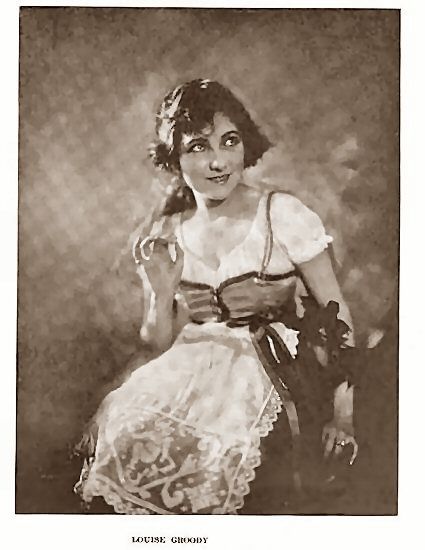
Thanks to its worldwide reception, No, No, Nanette was probably the most popular musical of the Twenties. It was also the quintessential example of the kind of song-and-dance show of that period that was affectionately satirized in Sandy Wilson’s spoof, The Boy Friend. In the story, based on a 1919 play, My Lady Friends, Jimmy Smith (Charles Winninger), a married bible publisher and guardian of the play’s doubly admonished heroine (Louise Groody), has been giving financial support to three comely young ladies living in three different cities. When the Smiths and their friends, including Lucille and Billy Early (Josephine Whittell and Wellington Cross) — plus the three recipients of Jimmy’s largesse and a sassy housemaid named Pauline (Georgia O’Ramey) — all turn up at the Smiths’ Chickadee Cottage in Atlantic City, no end of comical embarrassments ensue. The musical’s initial production underwent a difficult break-in period on the road. When it first opened in Detroit in April 1924, the reviews were encouraging but the attendance wasn’t. Producer H.H. Frazee then took drastic steps. He ordered composer Vincent Youmans and lyricist Irving Caesar (who had replaced Otto Harbach for most of the songs) to come up with two hits — and they obliged with “Tea for Two” and “I Want to Be Happy.” He also took over the direction himself and replaced most of the principals in the cast. The result was that the show clicked so well in Chicago that it remained for a year. By the time No, No, Nanette arrived in New York a second road company had been touring since January 1925 (with Cleo Mayfield, Cecil Lean, Donald Brian, and Ona Munson), and a London fascimile had been running for six months. Three years later, an affirmative successor yclept Yes, Yes, Yvette, did not fare so well, despite the contributions by Nanette veterans H.H. Frazee, Irving Caesar, Charles Winninger, and choreographer Sammy Lee. In 1971, a new production of No, No, Nanette opened in New York after experiencing an equally difficult tryout tour (see page 231) Harry Rigby, who conceived the idea of the revival, was bought out by his co-producer Cyma Rubin, Burt Shevelove replaced Busby Berkeley as director, and Jack Gilford and Susan Watson took over the roles of Jimmy and Nanette. Once more, however, the production was whipped into proper shape, and — helped by a sudden nostalgia craze — it went on to a lengthy and profitable run. One of the major attractions of this version was the appearance of Ruby Keeler, who returned to Broadway after an absence of over 41 years to play the part of Sue Smith, Jimmy’s wife. During the New York engagement, leading roles were assumed by Penny Singleton (Sue), Benny Baker (Jimmy), and Martha Raye (Pauline). The first road company was headed by June Allyson, Dennis Day, and Judy Canova; the second by Evelyn Keyes, Don Ameche, and Ruth Donnelly. Movie versions of No, No, Nanette were made in 1930 and 1940. Bernice Claire and Alexander Grey were in the firs
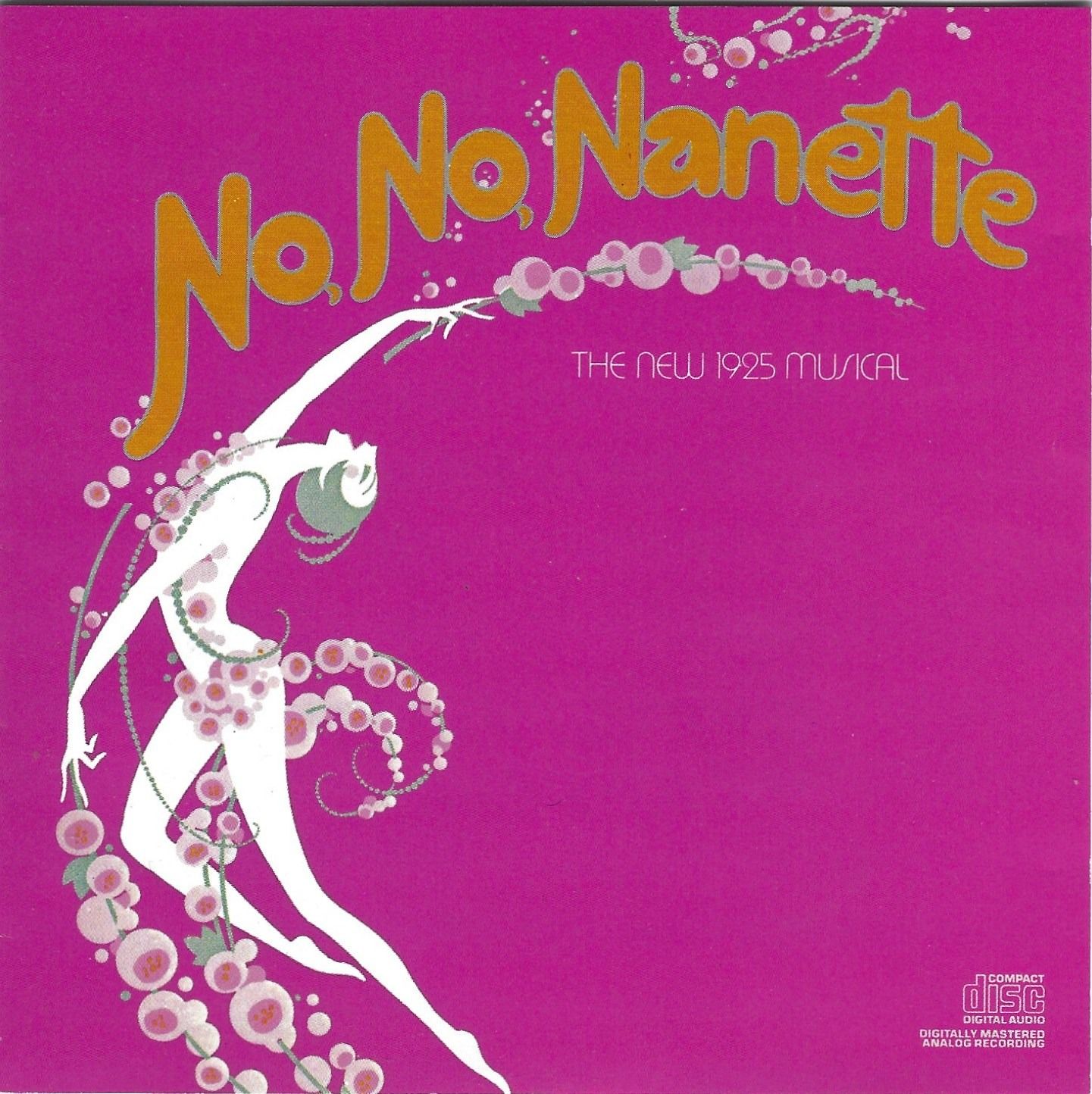
"The New 1925 Musical,": the show's own period marketing line.
- Music
- Vincent Youmans
- Lyrics
- Irving Caesar
- Book
- Otto Harbach, Frank Mandel
Productions2 on Broadway
Songs7 songs
Call of the Sea, Too Many Rings Around Rosie, I Want to Be Happy, No, No, Nanette, Tea for Two, ‘Where Has My Hubby Gone?’ Blues, You Can Dance With Any Girl at All
Recordings 3 recordings
Licensing 2 entries
| US | Concord Theatricals Tams-Witmark | available |
| UK | Concord Theatricals Tams-Witmark | available |
Something wrong here? Correct a field or report the problem. Every change is recorded in public under the contributor licence.