Shows · Paris ’90
Paris ’90
Opened 1952
87 performances
Musical, Golden Age
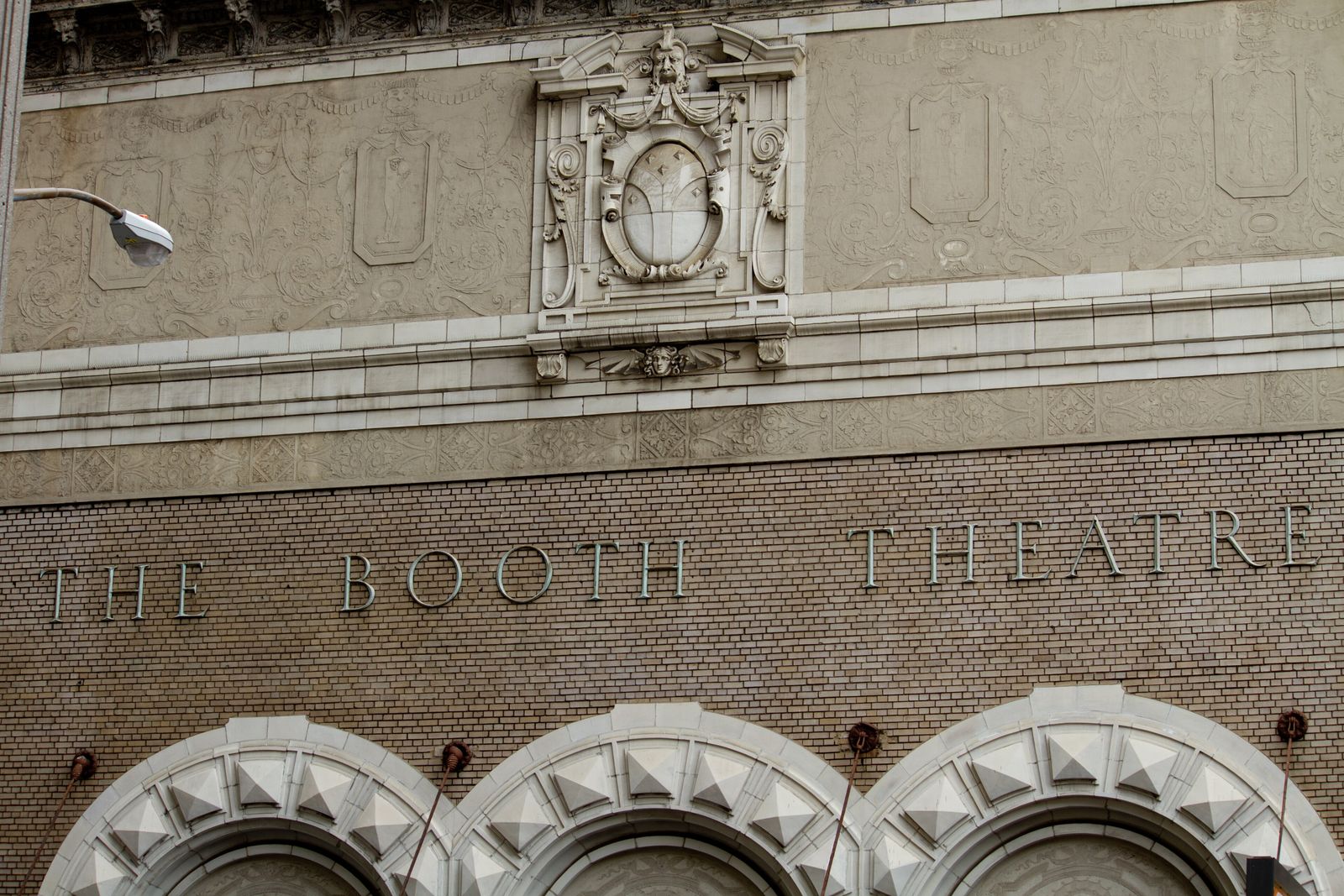
Monologues: Cornelia Otis Skinner Lyrics and Music: Kay Swift Director and Producer: Alden S. Blodget; Scenery and Lighting: Donald Oenslager; Costumes: Helene Pons; Musical Direction: Nathaniel Shilkret Cast: Cornelia Otis Skinner The revue was presented in three acts. Brooks Atkinson in the New York Times noted that most one-person shows looked “bleak and lonely.” But Paris ’90 began with a “vivid” show curtain that depicted French posters of the period, and was immediately followed by a “gay” overture; and when the curtain went up, the “ornate” costumes and “light-hearted” scenery gave the evening a “warm” and “enchanting” glow. Atkinson was particularly impressed with Skinner’s sympathetic portrayal of the lonely school teacher; but in her portrayals of prostitutes he felt she wasn’t “very happy” because her approach to sin was “basically genteel.” Walter Kerr in the New York Herald Tribune felt Skinner skimmed the surface of many of her characters but liked the militant feminist and thought the school-teacher episode was closest to “being honestly moving.” He found Kay Swift’s score “admirably theatrical,” and he praised the “full-scale” production with its elaborate décor, which evoked the period’s gas-lit “charm and gaiety.” Like Kerr, William Hawkins in the New York World-Telegram and Sun felt there was a “surface sameness” to the evening that offered little in the way of “brilliant variety”; he noted the characters rarely changed within their portraits because they were simply there on the stage and were presented without a point of view. John McClain in the New York Journal-American noted that Skinner spoke more lines and wore more costumes than all the cast members of Guys and Dolls put together. He was impressed with Skinner’s quick costume changes, and suggested that designer Helene Pons must have invented zippers that never stuck. He also noted that each act presented a clever way to connect its characters: in the first, a small nosegay passes from character to character; in the second, the laundress identifies articles of clothing belonging to the subjects; and in the final act, all the characters are friends of Toulouse-Lautrec. John Chapman in the Daily News said Paris ’90 was a “charming theatrical novelty.” Richard Watts in the New York Post admired Skinner, and while he wasn’t the “best audience” for monodrama, there was “no question” about Skinner’s talent for it. Robert Coleman in the Daily Mirror found the production “elaborate and ambitious” and noted that Nathaniel Shilkret’s orchestra “engagingly” played Swift’s music. But he warned his readers to leave the children at home. The material was “for knowing adults only,” and in order to be spared junior’s “embarrassing questions,” Coleman suggested taking him down the street to another monodrama, Emlyn Williams’s portrait of Charles Dickens. During the tryout, the traditional song “Pretty Poppy” was deleted. The London production opened at the St. Martin’s Theatre on February 22, 1954, for thirty-two performances. The original cast album was released by Columbia (LP # ML-4619), and the CD was issued by DRG (# 19034). The collection Lost Broadway and More (Volume Four) includes “The Waltz I Heard in a Dream” and “The House Where I Was Born.”
- Music
- Kay Swift Director and
Productions1 on Broadway
Something wrong here? Correct a field or report the problem. Every change is recorded in public under the contributor licence.