Shows · The Merry Widow
The Merry Widow
Opened 1907
416 performances
Musical, Early
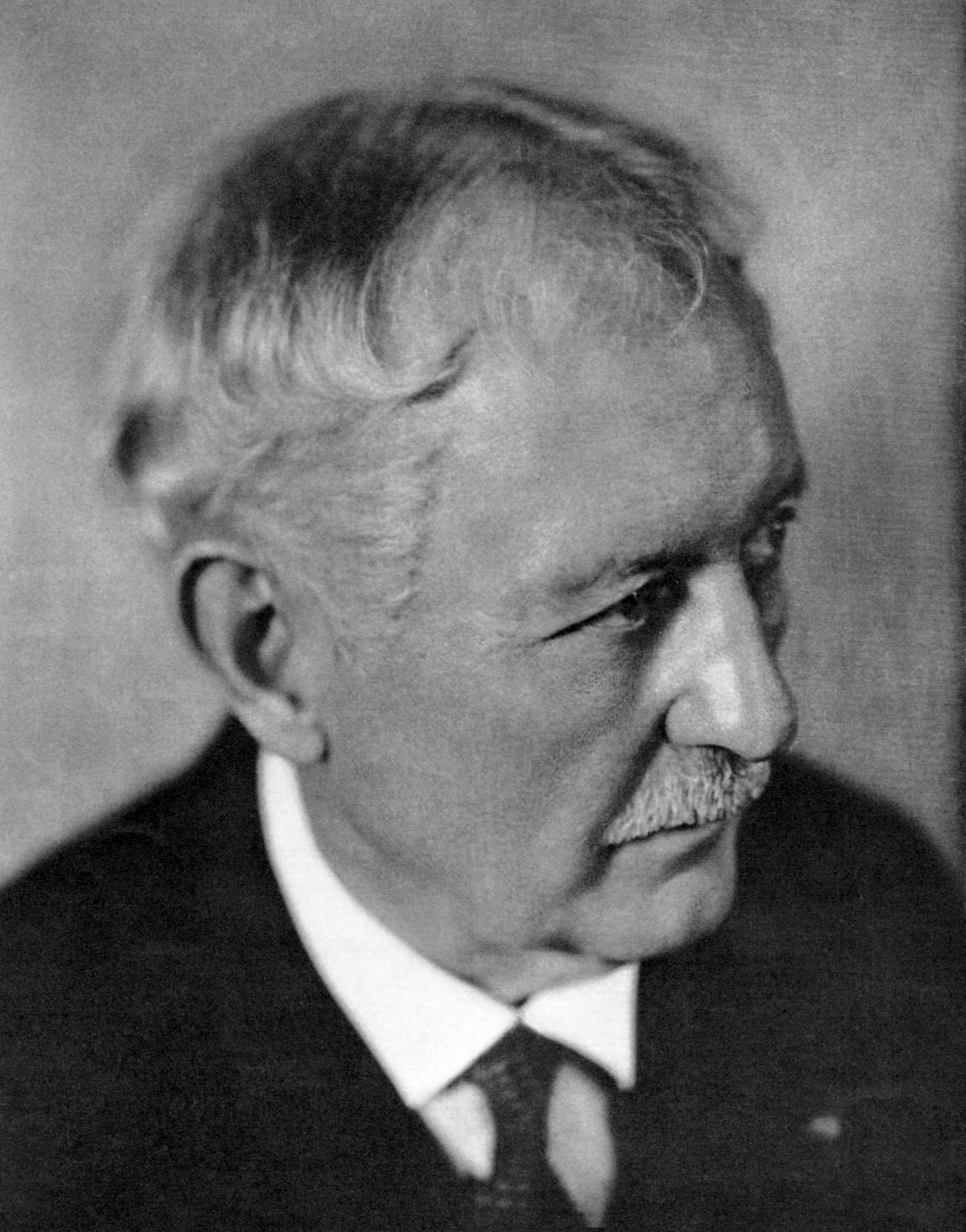
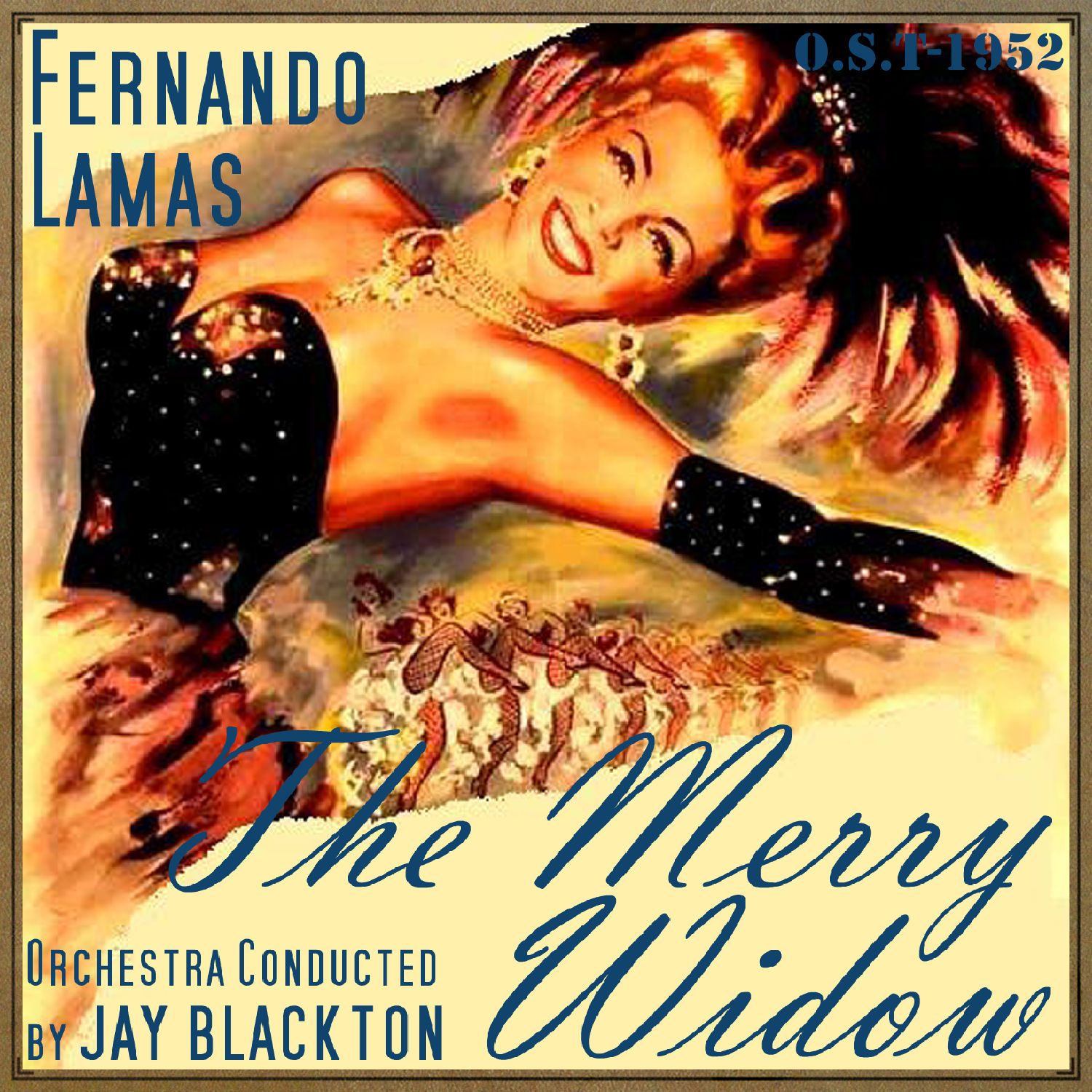
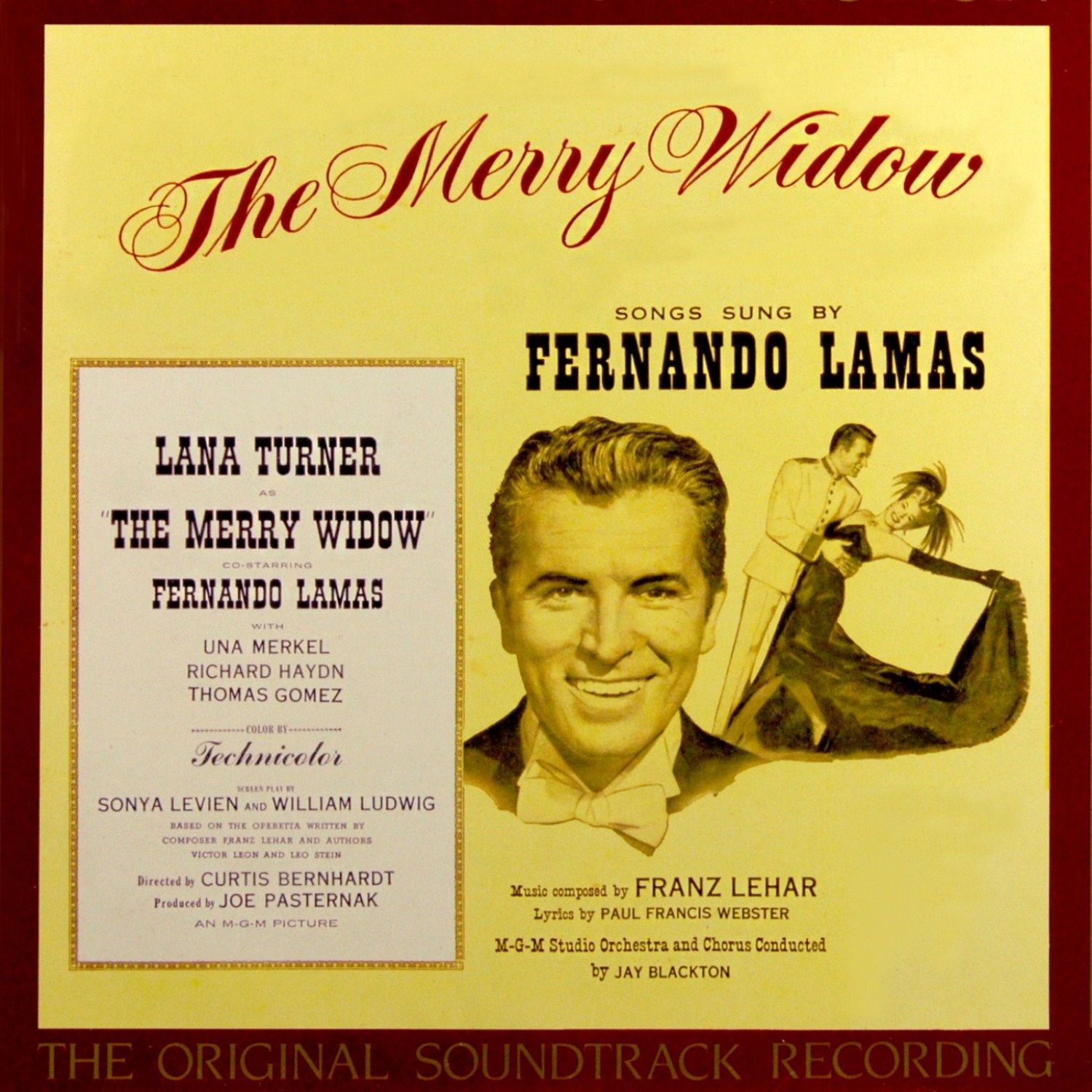
The epitome of the lighthearted, melodious, romantic European operetta, Franz Lehar’s The Merry Widow first swirled onto the stage in Vienna in 1905 under the title Die Lustige Witwe. The original text by Viktor Leon and Leo Stein was adapted for the highly successful London production by Basil Hood who refused program credit to spare the feelings of the original librettist whose work had been rejected. This version was also used in New York where the musical won such acclaim that it not only made celebrities of Ethel Jackson and Donald Brian, as the Widow and the Prince, it also prompted the introduction of Merry Widow hats, gowns, corsets, and cigarettes. The first theatrical offshoot was a parody, The Merry Widow Burlesque, which opened less than three months after the operetta’s premiere and continued for 156 performances. Producer Joe Weber (of Weber and Fields) even managed to get permission to use the Lehár music. A more lasting influence, however, was the rash of imported continental operettas that remained a major part of the Broadway scene until the outbreak of World War I. Among the most popular of these were Oscar Straus’s A Waltz Dream, Leo Fall’s The Dollar Princess, Strauss’s The Merry Countess (Die Fledermaus), Lehar’s The Count of Luxembourg, Emmerich Kalman’s Sari, and Edmund Eysler’s The Blue Paradise (with interpolated songs by Sigmund Romberg). Based on L’Atfaché d’Ambassade, a French play by Henri Meilhac, The Merry Widow is set in Paris and concerns the efforts of Baron Popoff, the ambassador of the mythical kingdom of Marsovia, to induce his attaché, Prince Danilo, to marry wealthy widow Sonia Sadoya in order to aid the country’s dwindling finances. Though the widow is wary of fortune-hunting suitors and the prince is chary of being taken for one, they find themselves failing in love to the seductive strains of “The Merry Widow Waltz.” Danilo eventually proposes marriage — but only after Sonia has teasingly confessed that she has no money. The Merry Widow has had five Broadway revivals, the last in 1943. That production, with a libretto coauthored by novelist Sidney Sheldon, had a successful run of 322 performances, then returned in October 1944 for an additional 32. The cast was headed by the husband-wife team of Jan Kiepura and Marta Eggerth. (See page 120.) In 1964, the operetta was mounted by the Music Theatre of Lincoln Center (with Patrice Munsel and Bob Wright), and in 1978 by the New York City Opera (with Beverly Sills and Alan Titus). There have been three Hollywood screen versions: a silent in 1925 directed by Erich Von Stroheim; the Ernst Lubitsch treatment in 1934 with lyrics by Lorenz Hart and starring Maurice Chevalier and Jeanette MacDonald; and a 1952 remake with Lana Turner and Fernando Lamas.
- Music
- Franz Lehár
- Lyrics
- Adrian Ross
- Book
- (Basil Hood uncredited)
Productions6 on Broadway
Songs17 songs
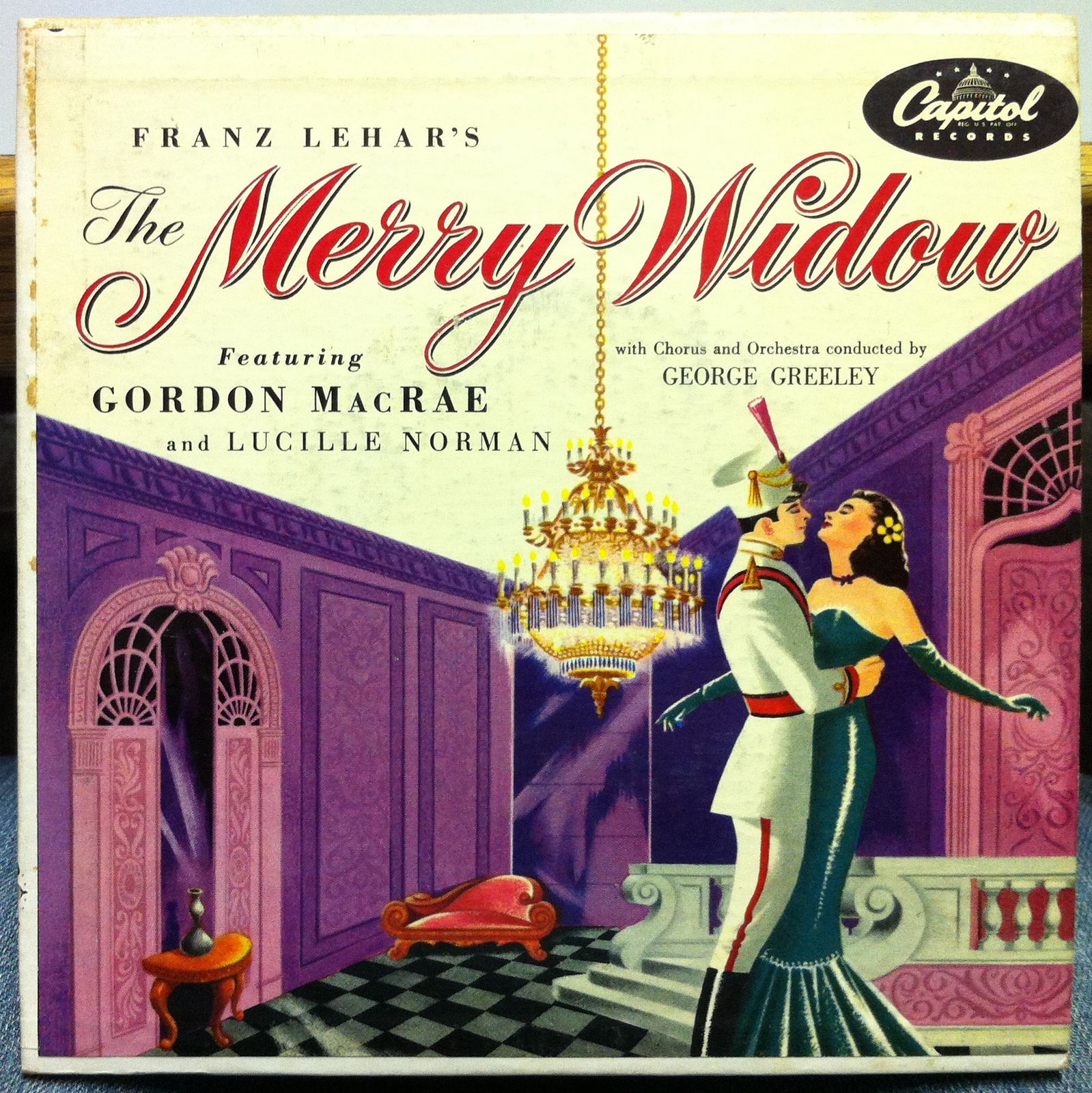
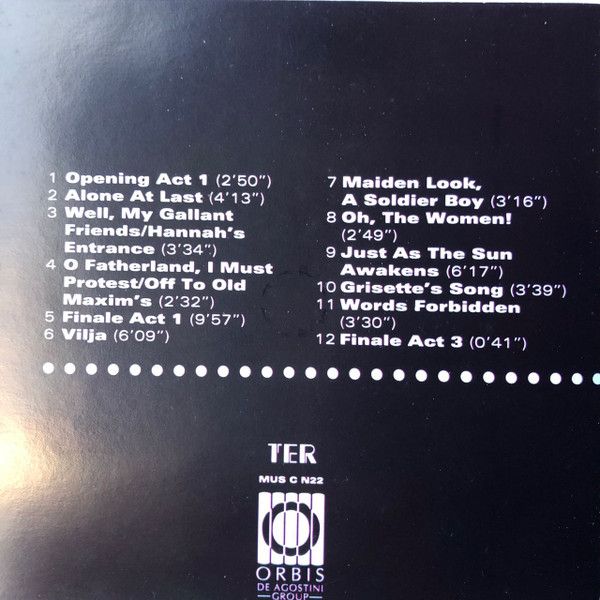
A Dutiful Wife, In Marsovia, Oh, Come Away, Away!, Maxim’s, Vilia, Silly, Silly Cavalier, I Love You So, The Merry Widow Waltz, The Girls at Maxim’s, Love in My Heart, Polka, Marsovian Dance, Never Give Your Heart Away, The Pavilion, The Women, Kuiawiak, operetta.
Recordings 9 recordings
Licensing 3 entries
| US | Concord Theatricals Concord Theatricals | available |
| US | Concord Theatricals Tams-Witmark | available |
| UK | Concord Theatricals Tams-Witmark | available |
Something wrong here? Correct a field or report the problem. Every change is recorded in public under the contributor licence.